
Healthcare AI & Machine Learning Development Services
Healthcare interoperability is no longer optional. The 21st Century Cures Act requires certified EHRs to expose FHIR R4 APIs for patient access and third-party app integration. TEFCA mandates FHIR support for health information network participation. Organizations that lack a mature FHIR and HL7 integration strategy are falling behind on compliance, losing app ecosystem opportunities, and operating with fragmented clinical data. Taction builds FHIR R4 API implementations, SMART on FHIR applications, HL7v2-to-FHIR migration solutions, and ONC-compliant interoperability infrastructure — giving healthcare organizations the integration foundation they need to meet regulatory requirements and support modern application development.

Let’s Discuss Your Technical Roadmap
Share a few details about your ecosystem, and we’ll prepare a preliminary integration strategy for our first call.

































FHIR & HL7 Services We Provide
FHIR R4 API development
Custom FHIR server implementations, resource modeling, API security (OAuth 2.0, SMART on FHIR), and USCDI compliance. We build FHIR servers that are production-grade, performant, and ONC-certified.
Explore how we’ve helped hospitals, clinics, and healthcare startups
FHIR Integration Architecture
Every FHIR implementation Taction delivers is built on a proven, production-grade technology stack selected for clinical reliability, security, and scalability.
Tailored Services, Personalized Results
Who We Work With
Health systems and hospitals
Meeting ONC information blocking requirements, enabling patient access APIs, and connecting third-party applications to existing Epic, Oracle Health, Allscripts, or athenahealth environments.
Digital health startups
Building SMART on FHIR applications that launch inside EHR workflows and access patient data without custom integrations for each health system.
Payers
Implementing FHIR-based member access APIs, provider directory APIs, and drug formulary APIs required under CMS interoperability rules.
Health information exchanges
Upgrading legacy HL7v2 infrastructure to FHIR-based query and subscription models for modern HIE participation.




Technology Stack
 Java
Java React Native
 Flutter
Turn your vision into reality. Contact us for a free quote.
Rapid Development : Experience the TURBO
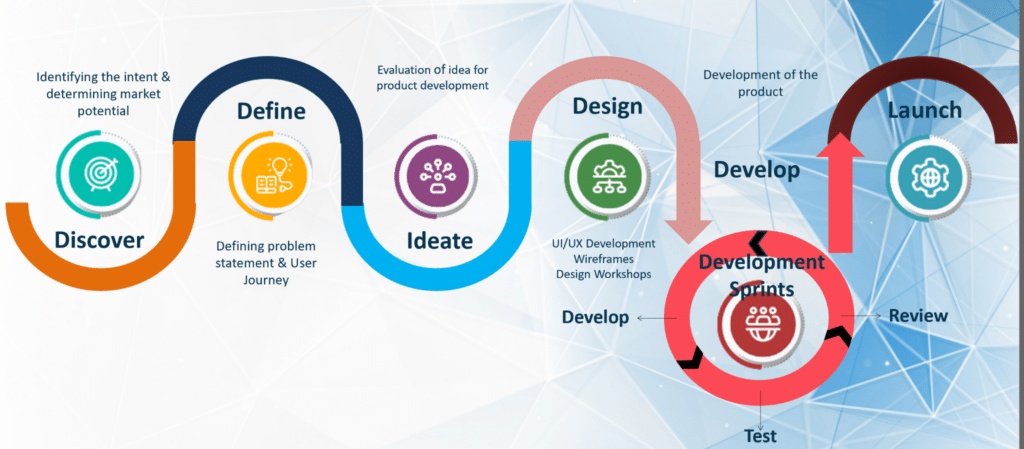
✔ Agile & User-Centric – Accelerated MVP development for faster market entry.
✔ Shortest Time-to-Market – Our TURBO framework ensures speed & efficiency.
Our FHIR Implementation Process
Assessment (2–3 weeks) — Current state analysis of existing HL7v2 interfaces, FHIR readiness gaps, ONC compliance status, and integration architecture review.
Design (2–3 weeks) — FHIR resource modeling, API security design, terminology mapping, and migration sequencing plan.
Development (8–20 weeks) — FHIR server build or configuration, SMART on FHIR authorization setup, HL7v2-to-FHIR transformation channels via Mirth Connect, and API endpoint development.
Validation (2–4 weeks) — FHIR conformance testing using HL7 FHIR Validator and Touchstone, security penetration testing, and ONC compliance verification.
Go-Live and Support — Phased cutover with HL7v2 fallback, production monitoring, and ongoing support for API versioning and regulatory updates.
Awards & Recognitions