
CPOE (Computerized Provider Order Entry)
Explore CPOE Solutions Tell Us Your Requirements Our experts are ready to understand your business goals.
Tell Us Your Requirements
Our experts are ready to understand your business goals.

































How CPOE (Computerized Provider Order Entry) Works
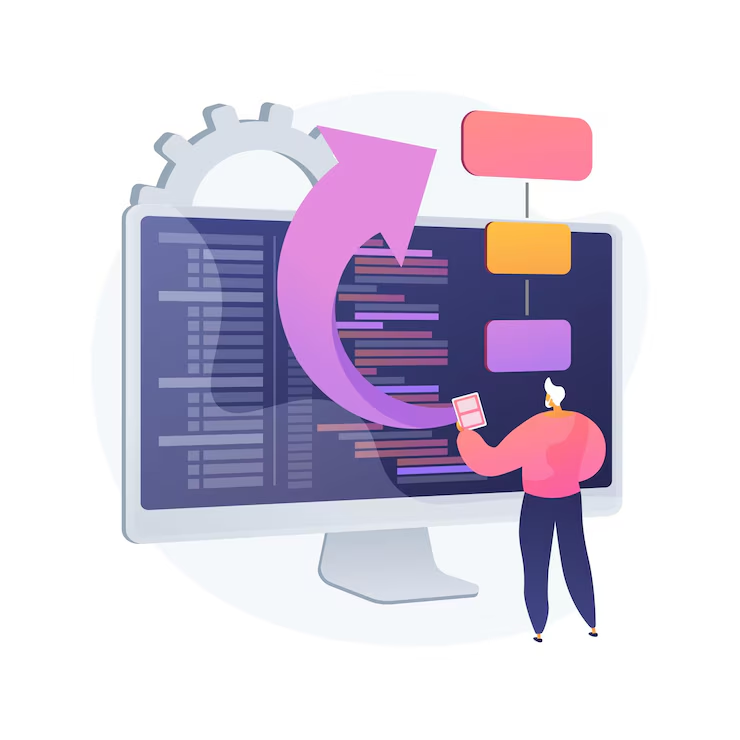
CPOE (Computerized Provider Order Entry) revolutionizes healthcare operations through digital order entry systems which enable medical professionals to submit medication, lab test, and imaging study orders using computers or mobile devices. The process removes the need for handwritten or spoken instructions which guarantees both precise and efficient execution.
Orders entered through the system reach the relevant departments—pharmacy, laboratory or radiology—immediately which reduces both delays and errors. CPOE operates as a fully integrated component of Electronic Health Records (EHRs) which enables immediate access to patient history data along with current medication lists and allergy warnings to facilitate informed clinical decisions.
Types of Orders Managed by CPOE:
✔ Medications: Prescriptions and dosages sent directly to pharmacies.
✔ Laboratory Tests: Diagnostic requests instantly routed to labs.
✔ Radiology Studies: Imaging orders like X-rays and MRIs sent to radiology.
CPOE remains a crucial component for modern healthcare delivery through its ability to streamline workflows and reduce transcription errors while enhancing patient safety.
Key Features of Computerized Provider Order Entry (CPOE) Systems
Ordering Functionality
Healthcare providers can quickly enter and transmit orders through CPOE (Computerized Provider Order Entry) systems which provide seamless integration with Electronic Health Records (EHRs). The system rapidly directs orders to appropriate departments including pharmacy and laboratory to minimize patient care delays. Healthcare systems present alternative treatment options which enable providers to make evidence-based decisions suited to individual patient needs.
Turn your vision into reality. Contact us for a free quote.
Success Stories - Healthcare Software development Projects That Produced Amazing Results for Businesses
Our approach to healthcare software development emphasizes designing personalized user experiences and delivering efficient solutions. We cultivate transparent and dependable partnerships to develop innovative and effective software tailored to the specific needs of the healthcare industry.
Denial Analytics Platform
Download Case Study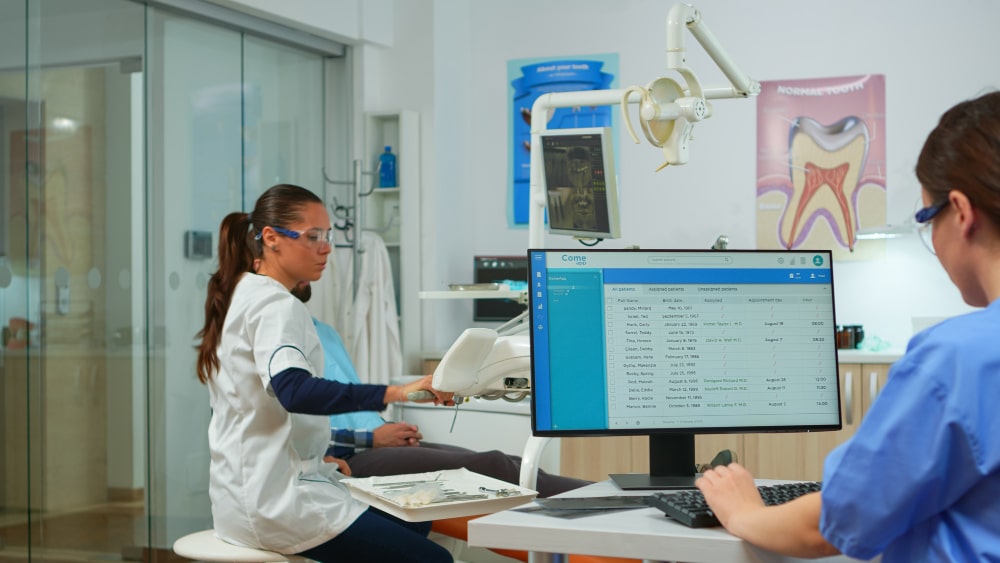
Benefits of Implementing CPOE (Computerized Provider Order Entry)
The ability to reduce medical errors stands as a significant benefit of CPOE (Computerized Provider Order Entry).
CPOE eliminates handwritten orders which leads to a reduction in misinterpretation risks and transcription mistakes. The platform identifies possible medication issues including drug interactions and dosage inconsistencies while alerting providers to contraindications so that they can make safer clinical decisions and ensure accurate prescriptions.
1.Reduction in Medical Errors
The ability to reduce medical errors stands as a significant benefit of CPOE (Computerized Provider Order Entry). CPOE eliminates handwritten orders which leads to a reduction in misinterpretation risks and transcription mistakes. The platform identifies possible medication issues including drug interactions and dosage inconsistencies while alerting providers to contraindications so that they can make safer clinical decisions and ensure accurate prescriptions.
2.Enhanced Efficiency
CPOE (Computerized Provider Order Entry) enhance operational efficiency through automated order management and transmission. The appropriate department receives orders directly which reduces processing time for pharmacy, lab, or radiology departments. Efficiency gains enable healthcare providers to devote more time to patient care by minimizing their administrative workload.
3.Cost Savings
CPOE (Computerized Provider Order Entry) systems reduce healthcare expenses through error minimization and better resource management. A reduction in errors translates into decreased spending to address mistakes like medication errors and unnecessary test orders. Enhanced workflow efficiency makes better use of staff time and hospital resources which creates long-term financial benefits.
4.Improved Patient Outcomes
Providers can make treatment decisions that are both timely and accurate using CPOE (Computerized Provider Order Entry), which helps to minimize adverse events. Real-time guidance from decision support tools enables patients to obtain optimal care from the system. Patients experience improved health outcomes while spending fewer days in hospitals and reporting higher satisfaction levels.
5.Regulatory Compliance
In summary, CPOE (Computerized Provider Order Entry) systems drive safer, more efficient, and cost-effective healthcare delivery, making them an invaluable tool for modern medical practices.
CPOE (Computerized Provider Order Entry) enhance operational efficiency through automated order management and transmission. The appropriate department receives orders directly which reduces processing time for pharmacy, lab, or radiology departments. Efficiency gains enable healthcare providers to devote more time to patient care by minimizing their administrative workload.
CPOE (Computerized Provider Order Entry) systems reduce healthcare expenses through error minimization and better resource management. A reduction in errors translates into decreased spending to address mistakes like medication errors and unnecessary test orders. Enhanced workflow efficiency makes better use of staff time and hospital resources which creates long-term financial benefits.
Providers can make treatment decisions that are both timely and accurate using CPOE (Computerized Provider Order Entry), which helps to minimize adverse events. Real-time guidance from decision support tools enables patients to obtain optimal care from the system. Patients experience improved health outcomes while spending fewer days in hospitals and reporting higher satisfaction levels.
CPOE (Computerized Provider Order Entry) systems help providers maintain compliance with healthcare regulations including HIPAA and CMS guidelines. Healthcare organizations achieve compliance standards and increase care quality through systems that maintain precise digital records and generate audit trails to ensure transparency and accountability.
In summary, CPOE (Computerized Provider Order Entry) systems drive safer, more efficient, and cost-effective healthcare delivery, making them an invaluable tool for modern medical practices.
Challenges in Computerized Provider Order Entry (CPOE) Implementation
Addressing these challenges is essential to ensure a smooth transition and maximize the benefits of CPOE implementation.
Initial Setup Costs
Healthcare organizations need to invest considerably before they can implement a CPOE system. The investment needed for a CPOE (Computerized Provider Order Entry) system covers hardware and software purchases along with system customization and integration with current Electronic Health Records (EHRs). All healthcare providers, staff and administrators need extensive training programs to effectively use the new system. Limited budgets at smaller healthcare practices make these expenses an obstacle to system adoption.
Workflow Disruptions
Moving to a CPOE (Computerized Provider Order Entry) system tends to interrupt current workflows. New procedures require providers and staff to adjust which leads to temporary operational slowdowns and staff frustration. During the learning phase tasks like order entry and verification may take longer which can lead to delays in patient care. Careful planning and support are essential to address disruptions in order to reduce their effects on daily operations.
Data Entry Issues
CPOE (Computerized Provider Order Entry) helps eliminate manual errors while introducing new risks for data entry mistakes like picking wrong medications or lab tests from dropdown lists. The system requires precise and complete data which makes comprehensive user training necessary along with safeguards such as confirmation prompts and error-checking mechanisms.
Cultural Resistance
Healthcare providers and staff who prefer traditional methods frequently resist adopting CPOE (Computerized Provider Order Entry) systems. Users often hesitate to adopt the system because they think it needs too much time and seems overly complicated. Healthcare providers need clear benefits communication, leadership backing and a phased implementation plan to build system trust and confidence and overcome resistance.
The pulse of healthcare at Taction software
Our custom healthcare app solutions allow clients to deliver effective, improved & secure care while also being compliant with strict industry’s standards like HIPAA regulation
1.200+ Successful Healthcare Projects
Proven expertise in delivering top-tier solutions.
2.12+ Years in Healthcare
Specializing in HIPAA-compliant software.
3.100% Data Security Compliance
Strict adherence to healthcare regulations.
4.Leading Healthcare Software Development Company
Known for innovation, reliability, and client satisfaction.
5.Global Clientele
Serving small practices to large hospitals worldwide.
Let's Collaborate. We're Just a Click Away.
Best Practices for Successful CPOE (Computerized Provider Order Entry) Adoption
By following these best practices, healthcare organizations can ensure a smooth and successful transition to CPOE, maximizing its benefits for patients and providers alike.
Comprehensive Training Programs
The effective deployment of a CPOE system requires a thorough training program. Every user who will interact with the system including physicians and nurses along with administrative staff needs comprehensive training on how to operate the system. Training must feature practical exercises combined with realistic scenarios and specific troubleshooting instructions. To keep users proficient during system changes it’s important to hold constant training refreshers and provide updates.
Stakeholder Engagement
Successful implementation requires stakeholder participation throughout the process to gain acceptance and match user needs. Stakeholders consist of clinical staff members together with IT teams and administrators and even patients. Stakeholder input enables early identification of potential challenges and effective solutions during implementation. When stakeholders become involved they develop ownership which leads to higher chances for both adoption success and long-term system use.
Continuous Support and Evaluation
Ensuring post-implementation support remains available is essential to resolve technical problems and address user concerns as well as workflow modifications. A specialized support team must be set up by organizations to deliver immediate assistance. Regular assessments of system performance alongside user satisfaction levels and clinical results allows for the identification of improvement areas which helps maintain the CPOE system’s effectiveness and usability over time.
Customization to Practice Needs
Each healthcare organization operates differently so customization of the CPOE system to meet their specific workflows and practices becomes essential. The customization process involves setting up order sets while integrating specialty-specific tools and making sure the system matches organizational policies. When a system possesses flexibility and adaptability it enables users to complete tasks with efficiency which results in superior care quality.
Tailored Services, Personalized Results
Future Trends in CPOE (Computerized Provider Order Entry) Systems
These trends will ensure that CPOE systems continue to evolve, driving innovation and improving healthcare delivery.
Integration with Advanced Technologies
The future of CPOE (Computerized Provider Order Entry) systems lies in the incorporation of advanced technologies like Artificial Intelligence (AI) and machine learning. These technologies enhance clinical decision support by analyzing vast datasets to provide predictive insights and personalized treatment recommendations. AI-driven alerts can identify potential complications earlier, such as adverse drug reactions or changes in a patient’s condition, improving overall patient safety and outcomes.
Enhanced Interoperability
As healthcare becomes increasingly interconnected, the demand for improved data sharing across platforms and institutions grows. Future CPOE systems will prioritize enhanced interoperability, enabling seamless exchange of patient data between different EHRs, laboratories, pharmacies, and imaging centers. This will foster better collaboration among healthcare providers, reduce redundant tests, and ensure that critical patient information is readily available for informed decision-making, regardless of where care is provided.
User Interface Innovations
Usability remains a key focus for future CPOE development. Advances in user interface design aim to reduce clinician burden by streamlining workflows and minimizing the time spent on data entry. Features such as voice recognition, natural language processing, and simplified navigation will make CPOE systems more intuitive and efficient. Additionally, personalized interfaces tailored to specific user roles will further enhance efficiency, allowing clinicians to focus more on patient care rather than system operation.
Healthcare Compliance Standards
Our commitment to HIPAA and GDPR standards guarantees data protection and patient privacy while maintaining total operational compliance.



A Technology Stack that Secures and Elevates Your Healthcare Software
Our technology stack provides the foundation to create healthcare solutions that guarantee security, speed and interoperability while maintaining innovation for the future.
 Java
Java React Native
 Flutter
Turn your vision into reality. Contact us for a free quote.
Rapid Development : Experience the TURBO
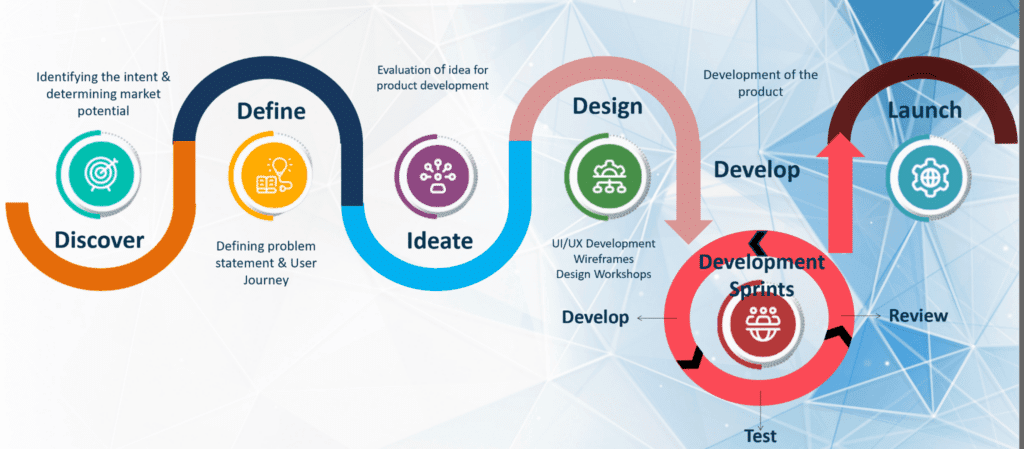
✔ Agile & User-Centric – Accelerated MVP development for faster market entry.
✔ Shortest Time-to-Market – Our TURBO framework ensures speed & efficiency.
HIPAA Compliance in Healthcare Software Development
Maintaining HIPAA compliance is crucial in healthcare software development. The Health Insurance Portability and Accountability Act (HIPAA) establishes the benchmarks for safeguarding sensitive patient data, and any software handling protected health information (PHI) must follow rigorous regulations.
Importance of HIPAA Compliance
In today’s digital age, where data breaches and cyber threats are on the rise, maintaining HIPAA compliance is not just a legal obligation—it’s a critical aspect of patient trust and safety. When developing a healthcare app, it’s essential that all aspects of the application—from data storage to user authentication—are designed to meet HIPAA requirements.
Key HIPAA Compliance Features
Data Encryption: We ensure that all PHI is encrypted both in transit and at rest, preventing unauthorized access during storage or transfer.Secure Authentication: Our apps include multi-factor authentication (MFA) to ensure that only authorized users can access sensitive information.Audit Trails: We implement comprehensive audit trails to monitor access and changes to PHI.Access Controls: Role-based access controls are applied to restrict user access to only the information necessary for their role, minimizing the risk of data breaches.
Most Trusted HIPAA Compliant Healthcare Development Company
Awards & Recognitions






Sectors That Can Benefit from Our Healthcare Development Services
As a leading provider in healthcare software development, we are dedicated to crafting robust solutions that enhance efficiency and elevate patient care across various sectors, including:
Let's Collaborate. We're Just a Click Away.
FAQs on CPOE (Computerized Provider Order Entry)
Here, you’ll find answers to common questions about CPOE (Computerized Provider Order Entry)