The healthcare industry stands at a critical inflection point. As patient expectations evolve, regulatory requirements intensify, and operational costs escalate, healthcare organizations face mounting pressure to modernize their technology infrastructure. Digital transformation is no longer optional—it’s essential for survival in an increasingly competitive and compliance-driven landscape.
Healthcare software development has emerged as a strategic imperative for hospitals, clinics, healthtech startups, and enterprise healthcare organizations seeking to improve patient outcomes, streamline operations, and maintain regulatory compliance. From electronic health records and telemedicine platforms to AI-powered diagnostic tools and remote patient monitoring systems, custom healthcare applications are fundamentally reshaping how care is delivered, documented, and optimized.
At Taction Software, we specialize in building HIPAA-compliant, interoperable, and patient-centric healthcare solutions that address the unique challenges facing modern healthcare providers. Our expertise spans the full spectrum of healthcare IT—from legacy system modernization and EHR integration to cutting-edge artificial intelligence implementations and data analytics platforms. This comprehensive guide explores the landscape of healthcare software and AI development services, providing healthcare decision-makers with the insights needed to navigate digital transformation successfully.
Ready to Build HIPAA-Compliant Healthcare Software? Our healthcare IT experts help hospitals and healthtech companies develop secure, interoperable solutions that improve patient outcomes and streamline operations.
Understanding Healthcare Software Development in 2025
Healthcare software development encompasses the design, creation, deployment, and maintenance of applications specifically tailored to meet the complex needs of healthcare providers, payers, pharmaceutical companies, and patients. Unlike generic enterprise software, healthcare applications must navigate a labyrinth of regulatory requirements, interoperability standards, security protocols, and clinical workflows.
The healthcare software ecosystem includes diverse application types: electronic medical records (EMR) and electronic health records (EHR) systems, practice management platforms, medical billing software, laboratory information management systems (LIMS), radiology information systems (RIS), pharmacy management solutions, and patient engagement portals. Each category addresses specific operational needs while requiring seamless integration with existing healthcare IT infrastructure.
Modern healthcare software development prioritizes several critical attributes. Interoperability ensures different systems can exchange and interpret shared data, enabling coordinated care across multiple providers. Security and compliance protect sensitive patient information while meeting HIPAA, HITECH, GDPR, and other regulatory standards. Scalability allows systems to accommodate growing patient volumes and expanding service lines. User experience ensures clinicians can navigate complex workflows efficiently without compromising care quality.
Healthcare organizations increasingly recognize that off-the-shelf solutions rarely address their unique operational requirements, patient populations, or strategic objectives. Custom healthcare app development enables providers to build tailored solutions that integrate seamlessly with existing systems, support specific clinical workflows, and differentiate their service offerings in competitive markets.
The shift toward value-based care models, population health management, and patient-centered care delivery has amplified demand for sophisticated software solutions. Healthcare providers need systems that can aggregate data from multiple sources, generate actionable insights, support clinical decision-making, and facilitate patient engagement throughout the care continuum.
The Transformative Role of AI in Modern Healthcare
Artificial intelligence has transcended hype to become a fundamental component of healthcare innovation. Machine learning algorithms, natural language processing, computer vision, and predictive analytics are revolutionizing clinical practice, operational efficiency, and patient outcomes across healthcare organizations worldwide.
AI applications in healthcare span multiple domains. Diagnostic support leverages computer vision and deep learning to analyze medical imaging, identifying anomalies with accuracy levels that match or exceed human radiologists. Clinical decision support systems analyze patient data, medical literature, and treatment outcomes to recommend evidence-based interventions. Predictive analytics identify patients at risk for hospital readmissions, disease progression, or adverse events, enabling proactive interventions.
Administrative automation powered by AI reduces the burden of documentation, coding, and billing processes that consume substantial clinician time. Natural language processing systems can extract structured data from clinical notes, automate medical coding, and generate administrative documentation from voice recordings. These capabilities directly address physician burnout by allowing clinicians to focus on patient care rather than paperwork.
Drug discovery and development benefit from AI’s ability to analyze molecular structures, predict drug interactions, and identify promising therapeutic compounds. Machine learning models can screen millions of chemical combinations in silico, dramatically reducing the time and cost associated with bringing new medications to market.
Personalized medicine represents perhaps the most promising frontier for healthcare AI. By analyzing genomic data, medical history, lifestyle factors, and treatment responses, AI systems can recommend individualized treatment protocols optimized for each patient’s unique biological profile. This precision approach improves outcomes while reducing unnecessary interventions and adverse reactions.
However, implementing AI in healthcare environments presents significant challenges. Data quality issues, algorithmic bias, integration complexity, regulatory uncertainty, and clinician acceptance all require careful consideration. Successful AI implementations demand machine learning development services that understand both technical requirements and healthcare workflows.
At Taction Software, our artificial intelligence consulting services help healthcare organizations navigate AI adoption strategically. We assess organizational readiness, identify high-impact use cases, develop custom AI models trained on healthcare-specific datasets, and ensure compliance with regulatory requirements governing AI in clinical settings.
Custom Healthcare Software Development Services
Custom healthcare software development addresses the reality that no two healthcare organizations operate identically. Patient populations, clinical specialties, operational workflows, legacy systems, and strategic priorities vary dramatically across hospitals, clinics, and healthcare enterprises. Generic software solutions inevitably require compromise, forcing organizations to adapt their processes to accommodate software limitations rather than the reverse.
Healthcare app development companies specializing in custom solutions begin by conducting comprehensive discovery and requirements analysis. This process maps existing workflows, identifies pain points, documents integration requirements, and establishes success metrics. Understanding the clinical, operational, and business context ensures developed solutions enhance rather than disrupt care delivery.
Custom healthcare applications span diverse categories. Patient management systems consolidate demographic information, appointment scheduling, insurance verification, and care coordination workflows into unified platforms accessible across departments. Clinical documentation systems capture structured and unstructured clinical data while supporting evidence-based protocols and quality reporting requirements.
Medical billing and revenue cycle management applications automate claims submission, payment posting, denial management, and financial reporting. These systems integrate with practice management platforms and EHR systems to ensure billing accuracy while minimizing revenue leakage. Custom billing solutions can accommodate complex reimbursement models including fee-for-service, capitation, bundled payments, and value-based arrangements.
Laboratory information systems manage specimen collection, test ordering, result reporting, and quality control across clinical laboratories. Custom LIMS implementations can support specialized testing workflows, integrate with laboratory instrumentation, and generate regulatory-compliant documentation for CAP, CLIA, and ISO certifications.
Pharmacy management systems handle medication ordering, dispensing, inventory management, and drug utilization reviews. These applications prevent medication errors through drug-drug interaction checking, allergy screening, and dosage verification. Integration with EHR systems ensures prescribers have complete medication histories when making prescribing decisions.
Medical device integration platforms collect data from patient monitoring equipment, diagnostic instruments, and therapeutic devices. These platforms aggregate device data into EHR systems, enabling continuous patient monitoring and automated alerting for abnormal values. Custom integration solutions accommodate proprietary device protocols and legacy equipment that predates modern interoperability standards.
IT management consulting helps healthcare organizations develop comprehensive technology roadmaps that align software investments with strategic objectives. Consultants assess current state architecture, identify gaps and redundancies, recommend modernization priorities, and develop phased implementation plans that minimize disruption while maximizing return on investment.
AI & Machine Learning Solutions for Healthcare
The implementation of AI and machine learning in healthcare requires specialized expertise that bridges data science, software engineering, and clinical domain knowledge. Successful AI projects in healthcare environments demand rigorous attention to data quality, model validation, regulatory compliance, and clinical workflow integration.
Natural language processing applications extract meaningful information from unstructured clinical documentation. NLP systems can identify disease mentions, extract medication lists, determine treatment responses, and identify social determinants of health from physician notes, discharge summaries, and radiology reports. These capabilities enable population health management, quality reporting, and clinical research that would be impossible through manual chart review.
Computer vision analyzes medical imaging across multiple modalities including radiography, computed tomography, magnetic resonance imaging, pathology slides, and dermatology images. Deep learning models trained on millions of annotated images can detect subtle abnormalities, quantify disease progression, and prioritize urgent cases for immediate review. Computer vision applications improve diagnostic accuracy while enabling radiologists and pathologists to focus expertise where it delivers greatest value.
Predictive modeling identifies patients at risk for adverse outcomes including hospital readmissions, sepsis, falls, pressure ulcers, and disease progression. Machine learning models analyze hundreds of variables from EHR systems, claims data, and patient-reported outcomes to generate risk scores that trigger preventive interventions. Predictive models support value-based care initiatives by enabling proactive resource allocation to high-risk populations.
Clinical decision support systems provide evidence-based recommendations at the point of care. These systems analyze patient-specific data against clinical guidelines, medical literature, and treatment protocols to suggest diagnostic tests, therapeutic interventions, and preventive care measures. Advanced CDS systems learn from outcomes data to continuously improve recommendation accuracy and relevance.
Genomic analysis applications interpret genetic sequences to identify disease-causing mutations, predict drug responses, and recommend personalized treatment protocols. Machine learning models can analyze whole genome sequences, identify clinically significant variants, and match patients with appropriate clinical trials. These capabilities advance precision medicine by enabling treatment selection based on individual genetic profiles.
Operational optimization uses machine learning to improve resource utilization and operational efficiency. Predictive models forecast patient volumes, emergency department arrivals, and hospital admissions, enabling proactive staffing and capacity planning. Optimization algorithms improve operating room scheduling, reduce appointment no-shows, and minimize patient wait times.
Implementing AI solutions requires careful attention to data engineering services and data integration. Healthcare data resides in disparate systems, uses inconsistent formats, and contains substantial noise and errors. Data engineering pipelines must cleanse, normalize, and integrate data from multiple sources before machine learning models can generate reliable predictions. Robust data governance ensures patient privacy while enabling the data access necessary for model training and validation.
Healthcare App Development: Web & Mobile Solutions
Patient expectations for healthcare services increasingly mirror experiences in other consumer-facing industries. Patients demand convenient access to care, transparent pricing, streamlined administrative processes, and digital communication channels with providers. Meeting these expectations requires sophisticated web and mobile applications that extend healthcare services beyond physical facilities.
Patient portals provide secure access to medical records, test results, medication lists, and immunization histories. Modern portals enable appointment scheduling, prescription refills, bill payment, and secure messaging with care teams. Advanced portals integrate telehealth capabilities, enabling video consultations directly within the patient interface. Portal adoption improves patient engagement and satisfaction while reducing administrative burden on staff.
Mobile health applications deliver healthcare services and information through smartphones and tablets. mHealth apps support diverse functions including symptom tracking, medication reminders, appointment scheduling, chronic disease management, mental health support, and fitness tracking. Clinical-grade mHealth applications collect patient-generated health data that integrates with EHR systems, providing clinicians with comprehensive views of patient health between office visits.
Telemedicine platforms enable remote consultations between patients and providers through video conferencing, screen sharing, and real-time chat. Telemedicine expanded dramatically during the COVID-19 pandemic and has become a permanent fixture in healthcare delivery. Custom telemedicine solutions integrate with scheduling systems, EHR platforms, and billing systems while supporting specialized workflows for different clinical specialties.
Remote patient monitoring applications collect physiological data from connected devices including blood pressure monitors, glucose meters, pulse oximeters, and wearable sensors. RPM platforms aggregate device data, apply clinical algorithms to identify concerning trends, and alert care teams to patients requiring intervention. Remote patient monitoring solutions support chronic disease management programs that improve outcomes while reducing hospitalizations.
Provider-facing mobile applications enable clinicians to access patient information, review test results, enter orders, and document encounters from smartphones and tablets. Mobile EHR access improves workflow efficiency by allowing providers to complete documentation between patients or during downtime rather than at dedicated workstations.
Caregiver applications support family members and professional caregivers managing care for elderly or chronically ill patients. These apps facilitate care coordination, medication management, appointment tracking, and communication among care team members. Caregiver apps address the reality that most chronic disease management occurs outside clinical settings.
Web app development companies specializing in healthcare understand the unique requirements for clinical applications. Healthcare web and mobile applications must support offline functionality for areas with unreliable connectivity, implement robust authentication and authorization mechanisms, encrypt data in transit and at rest, and accommodate diverse user populations including elderly patients with limited technology literacy.
Cross-platform development frameworks enable healthcare organizations to maintain unified codebases while deploying applications across iOS, Android, and web platforms. This approach reduces development costs and maintenance burden while ensuring consistent user experiences across devices. Our expertise in cross-platform mobile app development services helps healthcare organizations maximize their mobile development investments.
EHR/EMR Software Development & Integration
Electronic health records and electronic medical records form the foundational infrastructure for modern healthcare delivery. EHR systems serve as comprehensive longitudinal records of patient health information, while EMR systems focus on clinical data within single healthcare organizations. These systems document patient encounters, store medical histories, manage care plans, and facilitate clinical decision-making.
Despite widespread EHR adoption driven by meaningful use incentives, many healthcare organizations struggle with systems that inadequately support their workflows, lack necessary functionality, or create excessive documentation burden. Custom EHR development addresses these limitations by building systems tailored to specific organizational requirements, clinical specialties, and patient populations.
Specialty-specific EHR systems accommodate the unique documentation requirements and clinical workflows of different medical specialties. Oncology EHR systems track treatment regimens, chemotherapy protocols, and tumor measurements. Behavioral health EHR systems support psychiatric assessments, treatment plans, and outcomes measurement. Pediatric EHR systems accommodate growth charts, immunization schedules, and family medical histories.
Ambulatory EHR systems support outpatient care delivery across primary care practices, specialty clinics, and urgent care centers. These systems emphasize appointment scheduling, patient check-in workflows, clinical documentation, e-prescribing, and billing integration. Ambulatory EHR systems must support high patient volumes while minimizing encounter documentation time.
Hospital information systems manage inpatient care delivery across emergency departments, medical-surgical units, intensive care units, and specialized inpatient services. Inpatient EHR systems emphasize computerized physician order entry, medication administration records, care planning, and interdisciplinary documentation. Integration with laboratory, radiology, and pharmacy systems ensures clinicians have real-time access to all relevant patient information.
Long-term care EHR systems support nursing homes, assisted living facilities, and home health agencies. These systems track activities of daily living, medication administration, wound care, and regulatory compliance documentation. Long-term care EHR systems must support care delivery by diverse staff including nurses, aides, therapists, and social workers.
EHR integration challenges often exceed the complexity of building standalone systems. Healthcare organizations typically operate dozens of disparate systems that must exchange data to support coordinated care delivery. Integration strategies include point-to-point interfaces, enterprise service buses, integration engines, and API-based architectures.
HL7 integration uses healthcare-specific messaging standards to exchange clinical and administrative data between systems. HL7 v2 messages remain the predominant integration mechanism despite being superseded by more modern standards. HL7 v3 and Clinical Document Architecture (CDA) provide structured document exchange capabilities. Integration engines process, transform, and route HL7 messages between systems while managing error handling and message persistence.
FHIR integration represents the modern standard for healthcare interoperability. Fast Healthcare Interoperability Resources (FHIR) uses RESTful APIs and standardized data models to enable web-based data exchange. FHIR supports fine-grained data access, patient-mediated exchange, and mobile application integration. Our expertise in FHIR integration helps healthcare organizations modernize their integration infrastructure.
Mirth Connect is an open-source integration engine widely adopted across healthcare organizations. Mirth channels receive messages from source systems, apply transformation logic using JavaScript, and deliver processed messages to destination systems. Our Mirth Connect development services include channel development, custom transformer creation, web service integration, and ongoing support.
Integration with Allscripts systems and other major EHR vendors requires specialized expertise. Vendor-specific APIs, data models, and authentication mechanisms demand developers familiar with each platform’s unique characteristics. We provide integration services that connect EHR systems with laboratory information systems, radiology PACS, pharmacy systems, medical devices, and external health information exchanges.
Transform Your Healthcare Organization with AI Leverage artificial intelligence to enhance diagnostics, automate workflows, and deliver personalized patient care. Let's discuss your AI implementation strategy.
HIPAA-Compliant & Secure Healthcare Systems
Healthcare organizations manage extraordinarily sensitive patient information that attracts malicious actors seeking financial gain through identity theft, insurance fraud, and ransomware attacks. Data breaches compromise patient privacy, damage organizational reputation, and trigger substantial financial penalties. Robust security measures and HIPAA compliance are non-negotiable requirements for any healthcare software system.
The Health Insurance Portability and Accountability Act (HIPAA) establishes national standards protecting patient health information. HIPAA’s Privacy Rule governs the use and disclosure of protected health information (PHI). The Security Rule requires administrative, physical, and technical safeguards to ensure PHI confidentiality, integrity, and availability. The Breach Notification Rule mandates reporting of data breaches affecting 500 or more individuals.
HIPAA-compliant app development requires comprehensive security measures throughout the software development lifecycle. Encryption protects data in transit using TLS/SSL protocols and data at rest using AES-256 encryption. Access controls implement role-based permissions ensuring users access only information necessary for their job functions. Audit logging records all system access and data modifications, enabling compliance reporting and breach investigations.
Authentication mechanisms verify user identities before granting system access. Multi-factor authentication combines passwords with additional verification factors including SMS codes, authentication apps, or biometric identifiers. Single sign-on solutions enable users to authenticate once and access multiple systems without repeated login prompts. Our HIPAA-compliant software development services implement authentication strategies that balance security requirements with user experience.
Business Associate Agreements establish legal requirements for third-party vendors accessing PHI. Healthcare organizations must execute BAAs with software vendors, hosting providers, payment processors, and other service providers that may access patient data. Cloud infrastructure providers including Amazon Web Services, Microsoft Azure, and Google Cloud Platform offer HIPAA-compliant hosting environments with executed BAAs.
Vulnerability management identifies and remediates security weaknesses before attackers exploit them. Regular penetration testing, vulnerability scanning, and security code reviews identify potential vulnerabilities. Security patch management ensures systems run current software versions without known security flaws. Bug bounty programs incentivize external security researchers to identify and report vulnerabilities responsibly.
Disaster recovery and business continuity planning ensures healthcare organizations can maintain operations and recover data following system failures, natural disasters, or cyberattacks. Backup strategies include regular data backups, geographic redundancy, and tested restoration procedures. Recovery time objectives (RTO) and recovery point objectives (RPO) establish acceptable downtime and data loss thresholds for different systems.
HIPAA compliance consulting helps healthcare organizations navigate complex regulatory requirements. Consultants conduct risk assessments identifying potential compliance gaps, develop remediation plans addressing identified risks, implement technical and administrative safeguards, and provide staff training on HIPAA requirements. Ongoing compliance monitoring ensures organizations maintain adherence to evolving regulatory standards.
The 21st Century Cures Act and ONC Final Rule introduced new interoperability and information blocking requirements that complement HIPAA privacy protections. Healthcare organizations must balance patient data access rights with security and privacy safeguards. This requires sophisticated consent management, data segmentation capabilities, and patient education about data sharing implications.
Interoperability, HL7 & FHIR Standards
Healthcare interoperability—the ability of different information systems to exchange, interpret, and use health data—remains among the industry’s most significant technical challenges. Fragmented health information limits care coordination, creates safety risks, duplicates testing, and frustrates patients forced to repeatedly provide the same information to different providers.
The Office of the National Coordinator for Health Information Technology (ONC) defines three levels of interoperability. Foundational interoperability enables data exchange between systems without requiring the receiving system to interpret the data. Structural interoperability defines data format, syntax, and organization, enabling data exchange and basic interpretation. Semantic interoperability enables systems to exchange information and use the data based on shared meaning, supporting coordinated care and clinical decision support.
HL7 Version 2.x messaging standards have dominated healthcare integration for decades. HL7 v2 messages use pipe-delimited text format to transmit admissions, discharges, transfers, orders, results, scheduling, and billing information. Despite its age and limitations, HL7 v2 remains the primary integration mechanism for most healthcare systems. Implementation variability and lack of strict enforcement create interoperability challenges that require sophisticated integration engines and custom mappings.
HL7 Version 3 addressed v2 limitations through rigorous information modeling and XML-based messaging. However, v3’s complexity limited adoption, with few systems implementing the standard beyond Clinical Document Architecture (CDA) for document exchange. Consolidated CDA (C-CDA) documents structure clinical summaries, discharge summaries, continuity of care documents, and other clinical narratives in machine-processable formats.
Fast Healthcare Interoperability Resources (FHIR) represents the current generation of healthcare interoperability standards. FHIR combines the best features of previous HL7 standards with modern web technologies including RESTful APIs, JSON/XML data formats, and OAuth 2.0 authentication. FHIR resources model discrete healthcare concepts including patients, encounters, observations, medications, and procedures using standardized data structures.
FHIR enables multiple exchange paradigms. RESTful APIs support real-time queries and updates for individual resources or resource collections. Messaging transmits bundles of related resources as atomic transactions. Documents structure comprehensive clinical narratives similar to CDA. Services define reusable operations for complex workflows like patient matching or clinical decision support.
The United States Core Data for Interoperability (USCDI) defines a standardized set of health data classes and elements that certified EHR systems must support. USCDI includes patient demographics, clinical notes, problems, medications, laboratory results, vital signs, procedures, immunizations, and other essential data elements. FHIR’s US Core Implementation Guide specifies how to exchange USCDI data using FHIR resources.
SMART on FHIR enables third-party applications to access EHR data through standardized APIs using OAuth 2.0 authorization flows. SMART apps can launch from within EHR user interfaces with contextual information about the current patient, encounter, or user. This enables innovative applications for patient education, clinical decision support, population health, and care coordination without requiring custom integrations for each EHR vendor.
Our custom FHIR development services help healthcare organizations implement standards-based interoperability. We develop FHIR APIs exposing EHR data to authorized applications, build FHIR clients that consume external data sources, create SMART on FHIR applications, and implement bulk FHIR exports supporting population health analytics and value-based care initiatives.
Beyond HL7 standards, healthcare organizations must support additional interoperability specifications. DICOM enables medical imaging exchange between modalities, PACS systems, and diagnostic workstations. NCPDP standards support pharmacy information exchange including e-prescribing and prescription benefit verification. X12 transaction sets facilitate healthcare claims submission and remittance advice.
Healthcare Data Analytics & Business Intelligence Solutions
Healthcare organizations generate vast quantities of data through electronic health records, billing systems, laboratory information systems, medical devices, and patient engagement platforms. However, data alone provides no value—only analysis that generates actionable insights improves clinical outcomes, operational efficiency, and financial performance.
Healthcare data analytics transforms raw data into meaningful information supporting decision-making at clinical, operational, and strategic levels. Descriptive analytics answers “what happened” by summarizing historical data through reports and dashboards. Diagnostic analytics investigates “why it happened” by identifying correlations and causal relationships. Predictive analytics forecasts “what will happen” using statistical models and machine learning. Prescriptive analytics recommends “what should we do” by evaluating potential interventions and their expected outcomes.
Clinical analytics improves care quality and patient safety through evidence-based insights. Quality measure dashboards track performance against CMS, Joint Commission, and other regulatory requirements. Variation analysis identifies clinicians or care units with outlier performance, enabling targeted improvement initiatives. Adverse event analysis investigates medication errors, hospital-acquired infections, and other safety events to prevent recurrence. Our prescriptive analytics solutions help healthcare organizations move beyond reporting into actionable recommendations.
Operational analytics optimizes resource utilization and workflow efficiency. Emergency department dashboards monitor patient volumes, wait times, left-without-being-seen rates, and throughput metrics. Operating room analytics tracks utilization rates, turnover times, case duration accuracy, and first-case on-time starts. Bed management analytics forecasts admissions, monitors discharge processes, and identifies bottlenecks limiting patient flow.
Financial analytics improves revenue cycle performance and profitability. Denial management dashboards identify high-denial payers, procedures, and denial reasons, enabling targeted appeals and process improvements. Charge capture analytics ensure appropriate documentation and coding for services rendered. Payer mix analysis evaluates reimbursement rates across different insurance plans, informing contracting negotiations.
Population health analytics supports value-based care initiatives and chronic disease management programs. Risk stratification models segment patient populations by acuity level, enabling proactive outreach to high-risk individuals. Care gap analysis identifies patients overdue for preventive services, screenings, or chronic disease monitoring. Social determinants of health analysis incorporates non-clinical factors affecting health outcomes including housing stability, food security, and transportation access.
Business intelligence platforms integrate data from disparate source systems into unified data warehouses or data lakes. Extract, transform, load (ETL) processes cleanse, normalize, and combine data from EHR systems, billing platforms, laboratory systems, and external sources. Data models organize information into subject areas optimized for analytical queries. Self-service reporting tools enable business users to create custom reports and visualizations without technical expertise.
Real-time analytics enables immediate intervention based on emerging patterns. Clinical surveillance systems continuously monitor patient data for sepsis, cardiac events, or deterioration requiring rapid response team activation. Operational dashboards provide live views of emergency department capacity, operating room status, and hospital census, supporting real-time decision-making by charge nurses and bed management coordinators.
Machine learning enhances healthcare analytics through pattern recognition impossible for human analysts. Readmission prediction models identify patients requiring post-discharge support. No-show prediction enables overbooking strategies that maximize provider utilization. Length of stay forecasting improves capacity planning and discharge coordination.
Hospital management app development often incorporates embedded analytics enabling clinicians and administrators to access insights within their workflow systems. Contextual dashboards display relevant metrics based on user roles, current patients, or active tasks. Embedded analytics democratizes data access, enabling evidence-based decision-making throughout the organization.
Telemedicine & Remote Patient Monitoring Solutions
Telemedicine and remote patient monitoring have evolved from niche applications to mainstream healthcare delivery modalities. The COVID-19 pandemic accelerated adoption dramatically, with many healthcare organizations implementing telehealth capabilities within days or weeks. Patients and providers discovered that remote care delivery offers convenience, accessibility, and effectiveness for many clinical scenarios.
Synchronous telemedicine enables real-time audio-video consultations between patients and providers. Video visits support primary care, behavioral health, follow-up appointments, urgent care, specialist consultations, and many other clinical scenarios. Synchronous telemedicine platforms must provide high-quality video and audio, screen sharing capabilities, virtual waiting rooms, and integrated scheduling. Enterprise telemedicine platforms integrate with EHR systems, enabling providers to access patient records during consultations and document encounters directly into the medical record.
Asynchronous telemedicine (store-and-forward) involves patients submitting clinical information, images, or videos for provider review at a later time. Asynchronous modalities suit dermatology, radiology, pathology, and other specialties where real-time interaction isn’t essential. Patients appreciate the convenience of submitting information on their schedule without coordinating appointment times.
Remote patient monitoring collects physiological data from patients in their homes using connected medical devices. Blood pressure monitors, pulse oximeters, weight scales, glucose meters, and multi-parameter monitoring devices transmit measurements to care teams for review. RPM programs support chronic disease management for conditions including heart failure, hypertension, diabetes, and chronic obstructive pulmonary disease.
Remote patient monitoring solutions must address multiple technical challenges. Device connectivity requires cellular or Wi-Fi communication capabilities. Data transmission must occur reliably despite variable network conditions. Device provisioning and patient onboarding processes must accommodate non-technical users. Alert management systems must identify clinically significant measurements requiring intervention while minimizing false alarms that create alert fatigue.
Clinical workflows for telehealth differ substantially from in-person care. Virtual visits eliminate physical examination capabilities, requiring providers to emphasize history-taking and patient-reported information. Telemedicine platforms can incorporate symptom checkers, structured questionnaires, and patient education materials that improve visit efficiency and quality. Integration with medical devices enables patients to capture vital signs or perform basic diagnostic tests that supplement provider assessments.
Reimbursement policies significantly impact telemedicine adoption. Medicare and commercial payers expanded telehealth coverage during the COVID-19 pandemic, including reimbursement parity for many services. However, permanent policy changes remain uncertain. Healthcare organizations implementing telemedicine must track evolving reimbursement policies, document encounters appropriately, and implement billing systems that support telemedicine-specific coding requirements.
Licensure and credentialing create complexity for multi-state telemedicine programs. Physicians generally must hold licenses in states where patients are located during consultations. The Interstate Medical Licensure Compact facilitates multi-state licensure but doesn’t eliminate state-specific requirements. Telemedicine platforms should incorporate provider licensure verification and patient location confirmation to maintain compliance.
Hybrid care models combine in-person and virtual care delivery based on clinical appropriateness. Initial consultations often occur in person to establish relationships and complete physical examinations. Follow-up visits transition to video or phone-based modalities where appropriate. Integrated care platforms support seamless transitions between modalities without forcing patients to navigate multiple systems.
Medication management applications complement telemedicine by supporting prescription ordering, refill requests, medication adherence tracking, and drug information access. Integrated platforms enable providers to review medication lists, identify adherence issues, and adjust regimens during telemedicine visits. Patient-facing applications send medication reminders, document adherence, and enable secure messaging with pharmacy teams.
Why Choose Taction Software for Healthcare Development
Healthcare software development demands specialized expertise that extends beyond general software engineering. Clinical domain knowledge, regulatory compliance understanding, interoperability standards expertise, and security best practices distinguish healthcare software specialists from generic development firms. Taction Software combines technical excellence with deep healthcare industry experience, enabling us to deliver solutions that meet the unique requirements of healthcare organizations.
Healthcare-specific expertise permeates our development approach. Our team includes developers with certifications in healthcare IT, experience implementing EHR systems, and understanding of clinical workflows across multiple specialties. We speak the language of healthcare, understanding concepts like meaningful use, value-based care, care coordination, and population health management. This expertise enables productive conversations with clinical stakeholders and ensures developed solutions support rather than disrupt care delivery.
Comprehensive service offerings address the full spectrum of healthcare IT needs. From custom software development and mobile app development to AI development and DevOps implementation, we provide end-to-end capabilities that eliminate the complexity of coordinating multiple vendors. Our holistic approach ensures architectural consistency, seamless integration, and unified support.
Security and compliance focus ensures every solution meets stringent healthcare regulatory requirements. Our security-first development methodology incorporates threat modeling, secure coding practices, penetration testing, and compliance validation throughout the software development lifecycle. We maintain expertise in HIPAA, HITECH, 21st Century Cures Act requirements, and state-specific privacy regulations. Our HIPAA-compliant AI health app development services demonstrate our ability to combine cutting-edge technology with uncompromising security.
Interoperability expertise enables seamless data exchange across disparate healthcare systems. Our developers possess deep knowledge of HL7 v2, HL7 v3, FHIR, DICOM, and other healthcare integration standards. We’ve implemented hundreds of interfaces connecting EHR systems, laboratory information systems, radiology PACS, pharmacy systems, and medical devices. Our integration engine experience includes Mirth Connect, Ensemble, Rhapsody, and custom-built integration platforms.
Agile development methodology ensures rapid value delivery while accommodating evolving requirements. Healthcare organizations operate in dynamic environments where regulatory changes, market pressures, and strategic priorities shift frequently. Our iterative development approach delivers working software in short cycles, enabling early feedback and course correction. Regular sprint demonstrations keep stakeholders engaged and ensure alignment throughout development.
Quality assurance rigor ensures solutions perform reliably in demanding healthcare environments. Our QA consulting team develops comprehensive test strategies covering functional testing, integration testing, performance testing, security testing, and user acceptance testing. Automated testing frameworks enable continuous integration and deployment while maintaining quality standards. Our testing processes specifically address healthcare scenarios including high patient volumes, concurrent users, and integration failures.
Long-term partnership approach extends beyond initial development to ongoing support, enhancement, and optimization. Healthcare software requires continuous evolution to accommodate regulatory changes, user feedback, and emerging technologies. We provide managed services, application maintenance, and enhancement services that ensure solutions remain current and valuable over extended timeframes. Our commitment to client success drives lasting relationships built on trust and mutual value creation.
Geographic reach and local presence enable us to serve healthcare organizations across the United States. From healthcare software development in California to healthcare app development in Massachusetts, we maintain the flexibility to work remotely or
provide on-site support based on client preferences. Our distributed team model ensures access to specialized expertise regardless of geographic location.
Proven track record demonstrates our capability to deliver complex healthcare solutions successfully. Our portfolio of healthcare projects spans hospitals, health systems, medical device manufacturers, pharmaceutical companies, and healthtech startups. From fantasy sports applications to .NET framework management systems and PHP-based healthcare systems, our diverse experience enables us to approach new challenges with confidence and creativity.
Need Custom Healthcare Software Development? From EHR integration to telemedicine platforms, we build tailored solutions that meet your unique clinical and operational requirements.
Industries & Healthcare Segments We Serve
Healthcare encompasses diverse segments with unique operational characteristics, regulatory requirements, and technology needs. Taction Software serves healthcare organizations across the industry spectrum, delivering tailored solutions that address segment-specific challenges while maintaining interoperability with the broader healthcare ecosystem.
Hospitals and health systems represent complex enterprises managing inpatient care, emergency services, surgical departments, diagnostic services, and numerous clinical specialties under unified governance. Hospital IT infrastructure includes electronic health records, revenue cycle management systems, laboratory information systems, radiology PACS, pharmacy systems, and departmental applications. We develop integrated hospital management solutions that coordinate care delivery, optimize operational efficiency, and support value-based reimbursement models.
Ambulatory care providers including primary care practices, specialty clinics, urgent care centers, and ambulatory surgery centers prioritize patient throughput, appointment scheduling, clinical documentation efficiency, and billing optimization. Healthcare app development for clinics focuses on streamlined workflows that maximize provider productivity while maintaining documentation quality. Practice management integration, e-prescribing, lab ordering, and referral management capabilities ensure comprehensive care delivery.
Behavioral health organizations manage unique clinical workflows, documentation requirements, and privacy considerations. Behavioral health EHR systems must support psychiatric assessments, treatment planning, group therapy documentation, substance abuse treatment tracking, and outcomes measurement. Integration with criminal justice systems, social services, and crisis intervention teams requires specialized interfaces. Behavioral health applications must balance comprehensive documentation requirements with clinician usability.
Long-term care facilities including nursing homes, assisted living facilities, and continuing care retirement communities emphasize activities of daily living documentation, medication administration records, care planning, and regulatory compliance. Long-term care software must support interdisciplinary documentation by nurses, aides, therapists, dietitians, and social workers. Integration with pharmacy systems for medication dispensing and with state reporting systems for regulatory submissions represents critical requirements.
Home health agencies provide skilled nursing, therapy, and aide services in patients’ homes. Home health software must function reliably despite variable internet connectivity, support mobile documentation on tablets and smartphones, optimize visit scheduling across geographic territories, and generate OASIS assessments for Medicare reporting. GPS tracking, mileage calculation, and time-keeping capabilities support operational management and billing accuracy.
Diagnostic imaging centers operate high-throughput radiology practices focused on imaging acquisition, interpretation, and reporting. Radiology information systems manage appointment scheduling, modality worklists, reading assignments, and report generation. PACS integration enables image storage and retrieval. Critical results notification, peer review management, and quality metric tracking support operational excellence and accreditation requirements.
Clinical laboratories perform high-volume testing with stringent quality control, turnaround time, and regulatory compliance requirements. Laboratory information systems manage specimen accessioning, test ordering, result reporting, and quality control documentation. Instrument integration automates result acquisition from analyzers. Reference laboratory integration enables send-out test management. CAP, CLIA, and ISO compliance documentation supports accreditation and regulatory inspection readiness.
Medical device manufacturers develop connected devices that transmit patient data to healthcare providers. Device integration platforms collect, normalize, and transmit data from monitoring equipment, diagnostic instruments, and therapeutic devices. FDA regulatory compliance including 510(k) submissions and quality system regulations governs medical device software development. Cybersecurity requirements protect device functionality and patient data from malicious attacks.
Pharmaceutical and biotechnology companies leverage healthcare technology for clinical trial management, pharmacovigilance, patient support programs, and commercial operations. Clinical trial management systems coordinate study protocols, patient enrollment, data collection, and regulatory reporting. Patient assistance programs help patients access medications through insurance navigation, copay assistance, and free drug programs. Sales force automation tools support pharmaceutical representative activities.
Health insurance payers manage claims processing, provider networks, care management, and member services through sophisticated IT systems. Claims adjudication engines process millions of transactions daily, applying coverage rules, prior authorization requirements, and payment policies. Care management platforms identify high-risk members, coordinate disease management programs, and track quality metrics. Member portals enable benefit inquiries, claims status checking, and ID card access.
Healthtech startups require rapid development, iterative refinement, and scalable architecture supporting growth from initial launch through enterprise scale. Our fintech app development experience translates directly to healthtech contexts where financial transactions, regulatory compliance, and security requirements mirror healthcare challenges. We help startups validate product-market fit through minimum viable products, then scale infrastructure and functionality as user bases expand.
Our Healthcare Software Development Process
Successful healthcare software development requires disciplined processes that balance technical rigor, regulatory compliance, clinical usability, and business value delivery. Taction Software follows a structured yet flexible approach that adapts to project complexity, organizational maturity, and timeline constraints.
Discovery and requirements analysis establishes project foundations through comprehensive stakeholder engagement. We conduct interviews with clinicians, administrators, IT staff, and end users to understand current workflows, identify pain points, and document desired functionality. Workflow mapping visualizes existing processes and proposed improvements. Requirements documentation captures functional specifications, technical constraints, integration requirements, and success criteria. Our discovery process specifically addresses HIPAA compliance requirements, interoperability needs, and scalability considerations.
Architecture design defines technical frameworks that support current requirements while accommodating future growth. We evaluate application architecture patterns including monolithic, microservices, and serverless approaches based on scalability requirements, team capabilities, and deployment preferences. Data architecture design addresses database selection, data modeling, integration patterns, and analytics requirements. Security architecture encompasses authentication mechanisms, authorization models, encryption strategies, and audit logging. Cloud infrastructure design selects appropriate platforms, services, and deployment configurations.
User experience design ensures applications support efficient workflows and intuitive interactions. We develop personas representing different user types and their contexts, goals, and constraints. User journey mapping identifies touchpoints and experiences across clinical, operational, and administrative processes. Wireframes and mockups visualize screen layouts, navigation patterns, and interaction flows. Usability testing with representative users validates design decisions before development begins. Healthcare UX design specifically addresses clinical workflow interruptions, time pressures, alarm fatigue, and diverse user technology literacy levels.
Agile development delivers working software incrementally through iterative sprints. Each sprint includes planning, development, testing, and demonstration activities compressed into two to four-week cycles. Daily standups maintain team coordination and identify blockers requiring resolution. Sprint demonstrations showcase completed functionality to stakeholders, enabling feedback and course correction. Retrospectives identify process improvements that enhance subsequent sprint effectiveness. Our agile approach maintains flexibility while ensuring regulatory compliance and security standards.
Quality assurance and testing validates functionality, performance, security, and usability throughout development. Unit testing verifies individual component behavior. Integration testing validates data exchange between system modules and external systems. Performance testing evaluates response times, throughput, and scalability under realistic load conditions. Security testing includes vulnerability scanning, penetration testing, and compliance validation. User acceptance testing engages clinical and operational staff in structured validation of system functionality against documented requirements.
Deployment and go-live support ensures smooth transitions from development to production environments. Deployment planning addresses data migration, user training, go-live cutover, and contingency procedures. Training programs prepare users for new systems through documentation, video tutorials, hands-on practice sessions, and super-user development. Go-live support provides intensive assistance during initial production use, quickly addressing issues that emerge in real-world conditions. Hypercare periods extending one to four weeks post-launch maintain heightened support availability as users adapt to new systems.
Maintenance and enhancement sustains value delivery beyond initial implementation. Monitoring detects performance degradation, security threats, and system errors requiring attention. Help desk support addresses user questions and troubleshoots issues. Patch management applies security updates and bug fixes promptly. Enhancement planning incorporates user feedback, regulatory changes, and strategic priorities into development roadmaps. Managed services agreements establish ongoing support relationships that ensure systems remain current, secure, and valuable.
Regulatory compliance management integrates HIPAA, FDA, and other regulatory requirements throughout development processes. Risk assessments identify potential compliance gaps. Security controls implementation addresses technical, administrative, and physical safeguards. Documentation practices create audit trails demonstrating compliance. Validation activities verify systems perform as intended and meet regulatory requirements. Continuous compliance monitoring ensures ongoing adherence to evolving standards.
Expert healthcare software & AI development services. HIPAA-compliant EHR, telemedicine, remote monitoring & custom healthcare apps. Transform patient care with Taction Software.
Cost Factors & Engagement Models
Healthcare software development investments vary dramatically based on project scope, technical complexity, regulatory requirements, integration needs, and organizational readiness. Understanding cost drivers and engagement model options enables informed investment decisions aligned with strategic objectives and budget constraints.
Project complexity fundamentally drives development costs. Simple mobile applications with limited functionality require substantially less investment than enterprise EHR systems supporting complex clinical workflows across multiple departments. Integration complexity increases costs proportionally to the number of external systems requiring interfaces. Custom algorithm development, particularly AI and machine learning capabilities, demands specialized expertise commanding premium rates. Regulatory compliance requirements including HIPAA security controls, FDA validation, and ONC certification add substantial effort.
Team composition and location significantly impact cost structures. Offshore development teams in India, Eastern Europe, or Latin America offer labor cost advantages but may require additional coordination overhead and potentially compromise domain expertise. Nearshore teams balance cost efficiency with time zone alignment and cultural compatibility. Onshore teams command higher rates but provide direct collaboration, healthcare expertise, and regulatory knowledge. Optimal approaches often combine strategic onshore resources for architecture, requirements, and project management with offshore resources for implementation and testing.
Technology stack selection influences both initial development costs and long-term maintenance expenses. Modern frameworks and platforms accelerate development through rich component libraries and community support. Node.js development enables JavaScript-based full-stack development with efficient scaling characteristics. React and Angular frameworks support sophisticated user interfaces with manageable complexity. Cloud platforms including AWS, Azure, and Google Cloud provide managed services that reduce infrastructure management burden while introducing ongoing operational costs.
Project timeline urgency affects resource allocation and costs. Aggressive timelines require larger teams working in parallel, increasing coordination overhead and potentially compromising quality. Phased approaches that deliver core functionality quickly then enhance capabilities iteratively often provide better value by enabling early benefits realization and incorporating user feedback into subsequent phases. Legacy application modernization with AI represents a specific scenario where timeline considerations balance immediate needs against comprehensive transformation objectives.
Engagement models structure vendor-client relationships and financial arrangements. Fixed-price contracts establish predetermined scope, timeline, and cost, providing budget certainty while limiting flexibility for requirement changes. Fixed-price models suit well-defined projects with stable requirements but require comprehensive upfront planning and risk premium in pricing. Time and materials contracts bill actual hours worked at agreed rates, providing maximum flexibility but less cost certainty. T&M models accommodate evolving requirements and exploratory development while requiring trust and active client engagement. Dedicated team models assign resources exclusively to client projects for extended periods, combining T&M flexibility with team stability and institutional knowledge accumulation.
Staff augmentation supplements internal development teams with specialized expertise for specific initiatives or capacity constraints. Healthcare organizations with established development capabilities can hire dedicated mobile app developers, React Native developers, Next.js developers, or Mirth Connect developers to address skill gaps or accelerate delivery timelines. Staff augmentation provides flexibility to scale capacity up or down based on project phases while maintaining control over development processes.
Managed services agreements provide ongoing support, maintenance, and enhancement services under recurring fee structures. Managed services ensure applications remain secure, performant, and compliant with evolving requirements. Predictable monthly or annual fees enable budget planning while maintaining vendor accountability for service level achievement. Managed services suit production applications requiring sustained attention but not justifying full-time internal resources.
Value-based contracting aligns vendor incentives with client outcomes through performance-based compensation. Incentive structures might reward achievement of specific objectives including user adoption rates, workflow efficiency improvements, cost savings, or quality metric improvements. Value-based models require clearly defined success criteria and measurement methodologies. While potentially delivering superior outcomes alignment, value-based contracts introduce complexity in metric definition, measurement, and attribution.
Total cost of ownership extends beyond initial development to encompass hosting infrastructure, third-party licenses, ongoing maintenance, user training, and enhancement investments. Cloud infrastructure costs scale with usage including compute resources, storage, data transfer, and managed services. Software licenses for EHR systems, integration engines, development tools, and specialized components create recurring expenses. Maintenance typically requires 15-25% of initial development costs annually for bug fixes, security patches, and minor enhancements. Major enhancements and feature additions represent additional investments responding to evolving needs.
Healthcare organizations should approach software development investments strategically, evaluating total cost of ownership alongside expected benefits including operational efficiency, clinical quality improvement, revenue enhancement, and risk mitigation. Business case development quantifies tangible and intangible benefits, establishes measurement approaches, and creates accountability for value realization. Our offshore software development capabilities provide cost-effective delivery while maintaining quality standards and healthcare expertise.
Comprehensive guide to healthcare software development & AI solutions. Learn about EHR integration, HIPAA compliance, telemedicine & custom medical apps for hospitals.
Frequently Asked Questions
Healthcare software development encompasses the design, creation, implementation, and maintenance of applications specifically tailored for healthcare organizations. This includes electronic health records, practice management systems, telemedicine platforms, medical billing software, laboratory information systems, patient engagement applications, and clinical decision support tools. Healthcare software must comply with HIPAA regulations, support interoperability through standards like HL7 and FHIR, accommodate complex clinical workflows, and prioritize security and reliability given its critical role in patient care delivery.
Custom healthcare software development costs vary significantly based on project scope, complexity, and requirements. Simple mobile applications might range from $50,000 to $150,000, while comprehensive EHR systems or hospital management platforms can exceed $1 million. Cost drivers include feature complexity, number of integrations, user volume, compliance requirements, development timeline, and ongoing maintenance needs. Most healthcare software projects fall between $100,000 and $500,000 for initial development. Understanding the cost to develop software requires detailed requirements analysis and architecture planning to provide accurate estimates.
HIPAA compliance protects patient privacy and establishes accountability for organizations handling protected health information. The Health Insurance Portability and Accountability Act requires healthcare organizations and their business associates to implement administrative, physical, and technical safeguards ensuring PHI confidentiality, integrity, and availability. HIPAA violations result in substantial financial penalties ranging from $100 to $50,000 per violation, with annual maximum penalties reaching $1.5 million per violation category. Beyond financial consequences, breaches damage organizational reputation, erode patient trust, and potentially trigger individual lawsuits. HIPAA compliance requires comprehensive security measures including encryption, access controls, audit logging, risk assessments, and staff training integrated throughout software development and operations.
Essential healthcare mobile application features include secure authentication and authorization, EHR integration for accessing patient records and clinical data, appointment scheduling and reminders, telemedicine capabilities for video consultations, prescription management including refill requests and medication reminders, secure messaging between patients and care teams, lab result viewing, bill payment functionality, health tracking for monitoring symptoms and vital signs, and educational content providing condition-specific information. Applications must implement encryption for data in transit and at rest, support offline functionality for areas with limited connectivity, accommodate accessibility requirements, and maintain HIPAA compliance. Cross-platform mobile app development enables consistent experiences across iOS and Android devices while optimizing development efficiency.
Artificial intelligence enhances healthcare software through multiple capabilities. Diagnostic support analyzes medical imaging, identifies patterns in patient data, and suggests potential diagnoses with accuracy approaching or exceeding human clinicians. Predictive analytics identifies patients at risk for adverse outcomes including hospital readmissions, disease progression, and complications, enabling proactive interventions. Clinical decision support recommends evidence-based treatments, identifies drug interactions, and flags potential safety issues. Administrative automation reduces documentation burden through natural language processing, automates medical coding, and streamlines billing processes. Personalized medicine tailors treatments to individual patient characteristics including genomics, medical history, and lifestyle factors. Operational optimization improves resource allocation, forecasts patient volumes, and reduces inefficiencies throughout healthcare organizations.
Healthcare interoperability enables different information systems to exchange, interpret, and use health data across organizational boundaries. Interoperability ensures patient information follows individuals as they transition between primary care providers, specialists, hospitals, post-acute facilities, and other care settings. Without interoperability, clinicians lack complete information about patient histories, medications, allergies, test results, and prior treatments, potentially compromising care quality and safety. Patients experience frustration repeating information, undergoing duplicate testing, and navigating disconnected systems. Interoperability supports care coordination, reduces redundant services, enables population health management, and facilitates value-based care initiatives. Standards including HL7, FHIR, DICOM, and NCPDP provide technical frameworks enabling interoperability across diverse healthcare systems.
Healthcare software development timelines depend on project scope and complexity. Simple mobile applications require 3-6 months from initial planning through launch. Moderate complexity web applications with EHR integration typically need 6-12 months. Enterprise systems including comprehensive EHR platforms, hospital management systems, or population health platforms often require 12-24 months or longer for initial implementations. Timeline factors include requirements definition complexity, number of integrations, regulatory compliance requirements, user interface sophistication, testing rigor, and organizational change management. Agile development methodologies enable incremental delivery, providing working software within initial sprints while refining functionality through subsequent iterations. Reducing development time with modern frameworks can accelerate delivery while maintaining quality standards.
Healthcare software leverages diverse technology stacks based on application requirements. Backend development commonly employs Java, .NET, Node.js, Python, and Ruby for business logic and data processing. Frontend frameworks including React, Angular, and Vue.js create responsive user interfaces. Mobile applications use native iOS and Android development or cross-platform frameworks like React Native and Flutter. Database systems include SQL databases (PostgreSQL, MySQL, SQL Server) for structured data and NoSQL options (MongoDB, Cassandra) for flexibility. Cloud platforms (AWS, Azure, Google Cloud) provide infrastructure, managed services, and scalability. Integration technologies include Mirth Connect, Ensemble, and custom API development supporting HL7, FHIR, and proprietary protocols. AI and machine learning implementations use TensorFlow, PyTorch, and healthcare-specific libraries.
Yes, EHR integration represents a core capability for healthcare software development. Integration approaches include HL7 v2 messaging for real-time ADT, order, and result transactions; FHIR APIs for modern RESTful data exchange; vendor-specific APIs offered by major EHR platforms; file-based transfers for batch data exchange; and database-level integration where architectures permit. Integration complexity varies based on EHR vendor, data types being exchanged, directionality (unidirectional versus bidirectional), and real-time versus batch requirements. Our web service integration expertise enables connections between diverse healthcare systems using appropriate protocols and standards. Comprehensive integration testing validates data accuracy, handles error conditions, and ensures reliable operation under production conditions.
IoT healthcare solutions connect medical devices, wearables, and sensors to collect, transmit, and analyze patient data continuously. Applications include remote patient monitoring using connected devices measuring vital signs, chronic disease management tracking metrics like blood glucose or blood pressure, hospital asset tracking monitoring equipment location and utilization, environmental monitoring for temperature and humidity in medication storage areas, and fall detection using wearable sensors identifying incidents requiring immediate response. IoT healthcare solutions must address device security, data transmission reliability, battery life constraints, patient usability, and integration with EHR systems. IoT platforms aggregate device data, apply analytics identifying concerning trends, and deliver actionable insights to care teams through dashboards and alert systems.
Healthcare software security requires comprehensive measures throughout development and operations. Encryption protects data in transit using TLS/SSL and at rest using AES-256 or similar algorithms. Authentication mechanisms verify user identities through multi-factor authentication combining passwords with secondary verification. Authorization implements role-based access controls ensuring users access only information required for their job functions. Audit logging records all system access and data modifications for compliance reporting and incident investigation. Vulnerability management includes regular penetration testing, security scanning, and timely patch application. Secure development practices incorporate threat modeling, code reviews, and security testing throughout development lifecycles. Infrastructure security hardens servers, implements firewalls, deploys intrusion detection systems, and maintains network segmentation. Business continuity planning ensures data backups, disaster recovery procedures, and incident response capabilities.
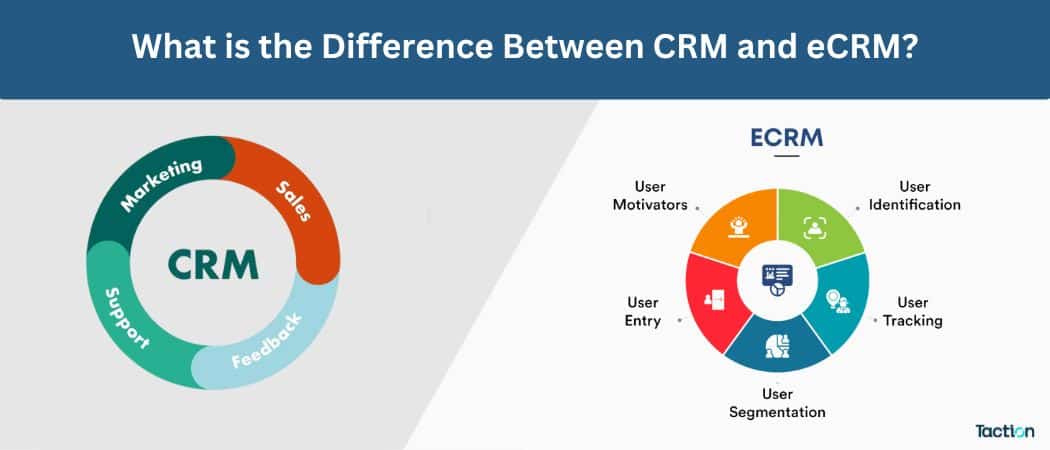
Electronic Medical Records (EMR) contain patient health information collected within single healthcare organizations or practices. EMRs function as digital versions of paper charts, documenting clinical encounters, diagnoses, medications, immunizations, and test results. Electronic Health Records (EHR) represent comprehensive longitudinal records spanning multiple healthcare organizations throughout patients’ lifetimes. EHRs aggregate information from different providers, enabling care coordination and information sharing across organizational boundaries. EHRs emphasize interoperability, supporting data exchange through standards like HL7 and FHIR. While terms are often used interchangeably, EHRs encompass broader scope and interoperability capabilities compared to EMRs focused on single-organization documentation.