
Definition of Practice Management
Practice management in healthcare refers to the comprehensive set of administrative and operational processes involved in running a medical practice or healthcare facility. It encompasses a range of activities aimed at improving the efficiency and effectiveness of healthcare delivery. This includes managing day-to-day operations, handling patient interactions, and ensuring compliance with regulatory requirements. The goal of practice management is to optimize both the patient experience and the operational performance of the practice.


































Practice Management: An Overview
At its core, practice management involves organizing and overseeing various aspects of a healthcare practice to ensure smooth and efficient operations. This includes tasks such as scheduling appointments, managing patient records, billing and coding, and coordinating with insurance providers. Effective practice management ensures that the practice runs efficiently, allowing healthcare professionals to focus more on patient care rather than administrative burdens.
Medical Practice Management
Medical practice management specifically refers to the administrative and operational processes within a medical setting. It includes activities such as appointment scheduling, patient registration, managing medical records, and handling billing and collections. Medical practice management systems are designed to streamline these processes, improve accuracy, and enhance the overall patient experience. By implementing effective medical practice management strategies, healthcare providers can improve operational efficiency and patient satisfaction.
Healthcare Practice Management
Healthcare practice management extends beyond individual medical practices to encompass various types of healthcare facilities, including clinics, hospitals, and specialty practices. It involves managing not only the operational aspects but also the clinical workflows and patient care processes. Healthcare practice management aims to integrate administrative tasks with clinical care to provide a seamless and efficient healthcare experience for patients.
Tailored Services, Personalized Results
Importance of Practice Management in Healthcare

The importance of practice management in healthcare cannot be overstated. Effective practice management:
- Enhances Efficiency: By streamlining administrative tasks and optimizing workflows, practice management helps reduce operational inefficiencies and minimizes delays in patient care.
- Improves Patient Satisfaction: Efficient practice management ensures timely appointments, accurate billing, and effective communication, leading to a better overall patient experience.
- Ensures Compliance: Proper practice management helps healthcare providers comply with regulatory requirements and industry standards, reducing the risk of legal issues and fines.
- Boosts Financial Performance: Effective practice management can improve revenue cycle management, reduce billing errors, and enhance financial stability for the practice.
In summary, practice management in healthcare is a critical function that involves managing the various administrative and operational aspects of a healthcare practice. By focusing on efficiency, patient satisfaction, and compliance, practice management helps healthcare providers deliver high-quality care while maintaining smooth and effective operations.
Rapid Development : Experience the TURBO
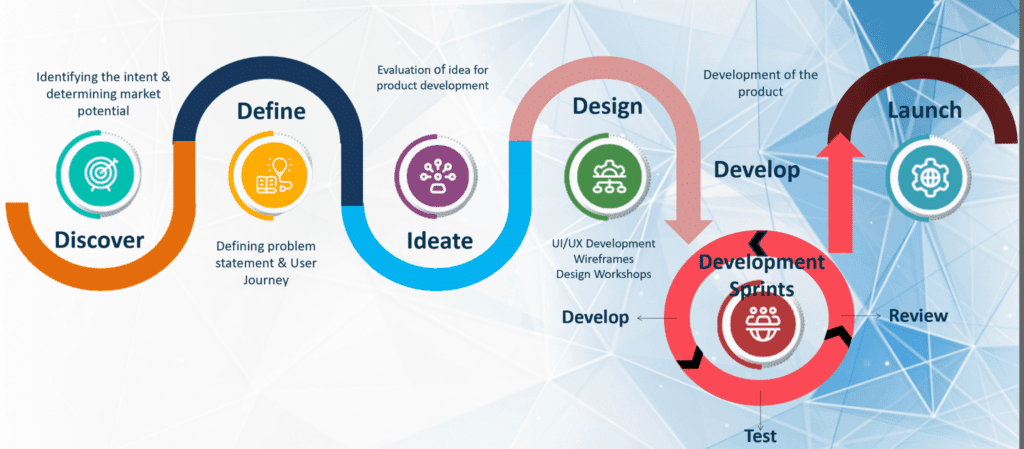
✔ Agile & User-Centric – Accelerated MVP development for faster market entry.
✔ Shortest Time-to-Market – Our TURBO framework ensures speed & efficiency.
Turn your vision into reality. Contact us for a free quote.
Awards & Recognitions






Our Healthcare Process (Step-wise)
Requirement Analysis
Software needs must be collected and assessed to generate an accurate SRS.
Review & Planning
Refine feedback and finalize design procedures before creating the development roadmap.
Development & Testing
Develop the solution using UI/UX design principles while maintaining security measures and performing compliance and performance testing.
Deployment
Beta launch followed by a live release.
Maintenance & Support:
The maintenance and support phase involves round-the-clock monitoring of systems, analysis of client feedback, and ongoing improvements.
Developing Future Solutions Using Today's Technologies & Tools
Languages
 Python
 Java
Java C++
C++ .Net
.Net Laravel
 PHP
PHP Angular
 WordPress